If you want reliable advice about 24 Hour Locksmith Barcelona Security Advice, read on. Drawing on hands-on service work and real cases, I describe practical checks for credentials, typical price ranges, and safe behaviors when a locksmith comes to your door. This is a practical playbook so you can find a trustworthy 24 hour locksmith in Barcelona, avoid scams, and minimize time and cost while protecting your property. Use the short checklist and real examples below so you know which questions to ask and which offers to decline.
First checks to run when you call a locksmith.
Phone checks you perform before the locksmith arrives eliminate a lot of risk. Request the company name, local address, the tech's name, and a price estimate, and ask for a photo of the technician's ID by text before arrival. If the caller refuses or gives vague information, hang up and call another provider; pressure or evasiveness is a common scam tactic.
A quoted price that balloons when the technician arrives requires an explanation and a new written estimate before any work starts. Small differences for added parts or work are normal, but large unexplained increases are not acceptable, and you can refuse service in that case.
Documents and proof of legitimacy to request from a locksmith.
A legitimate locksmith should carry a company ID card, a business invoice header, and a tax ID if requested. Photograph the ID and the vehicle registration before work begins; those records matter if you later have to dispute charges or report theft. If the technician refuses to show ID or wants to proceed without paperwork, refuse service and reach out to another provider.
For business customers, ask for a company invoice and VAT number and cross-check the company name in public business registries if time allows. A self-employed locksmith will give an invoice with a NIF, while a company will provide a VAT invoice; either is acceptable if the paperwork matches the technician.
What fair pricing looks like for emergency locksmith services.
Emergency calls in Barcelona often fall within a predictable range, though prices vary by time, complexity, and parts needed. For a simple lockout during business hours, a reasonable fee might be roughly 40 to 80 euros, while out-of-hours calls typically add a 20 to 50 euro surcharge. Replacing a cylinder or performing extensive repairs often raises the total to between 100 and 250 euros or higher depending on the lock brand.
"From" prices can be misleading, so demand an itemized quote that breaks out labor, parts, VAT, and any call-out or rush charges. Push back on vague answers such as "it depends" by requesting typical price ranges or calling another locksmith for comparison.
Common scam patterns and how to respond.
A common trick is quoting a low price over the phone, then raising the price dramatically on arrival and pushing for immediate payment. When faced with surprise price hikes, refuse to pay until you have a written invoice for completed work, photograph the technician and van, and contact police if the situation escalates. Also watch for technicians who claim your lock is "beyond repair" when a simpler opening would work; that tactic aims to sell unnecessary replacements.
Refuse to let a technician drill or replace parts without agreeing on price and photographing identification first. If physical force is proposed as the first option for entry, request non-destructive alternatives or a second opinion unless you have already intentionally authorized replacement.
When to call your insurer or property manager first.
If the lockout involves a rented apartment or a company property, call the landlord or property manager first because they may have an approved locksmith and billing arrangement. Since some insurance policies pay for lock changes or require approved vendors, verify coverage and vendor rules prior to authorization. If the insurer arranges the locksmith, you often avoid later billing arguments and may not pay the immediate call-out fee yourself.
Repair versus cylinder swap versus complete replacement, explained.
If the mechanism responds to manipulation and the cylinder is intact, a non-destructive repair or rekeying is usually cheaper and sufficient. Change the cylinder if it is broken, you need a new key profile, or you want to secure the property after lost keys, because cylinder swaps restore security faster. Replace the whole lock if the lock body is damaged, you want an upgrade to a stronger standard, or many parts are worn out.
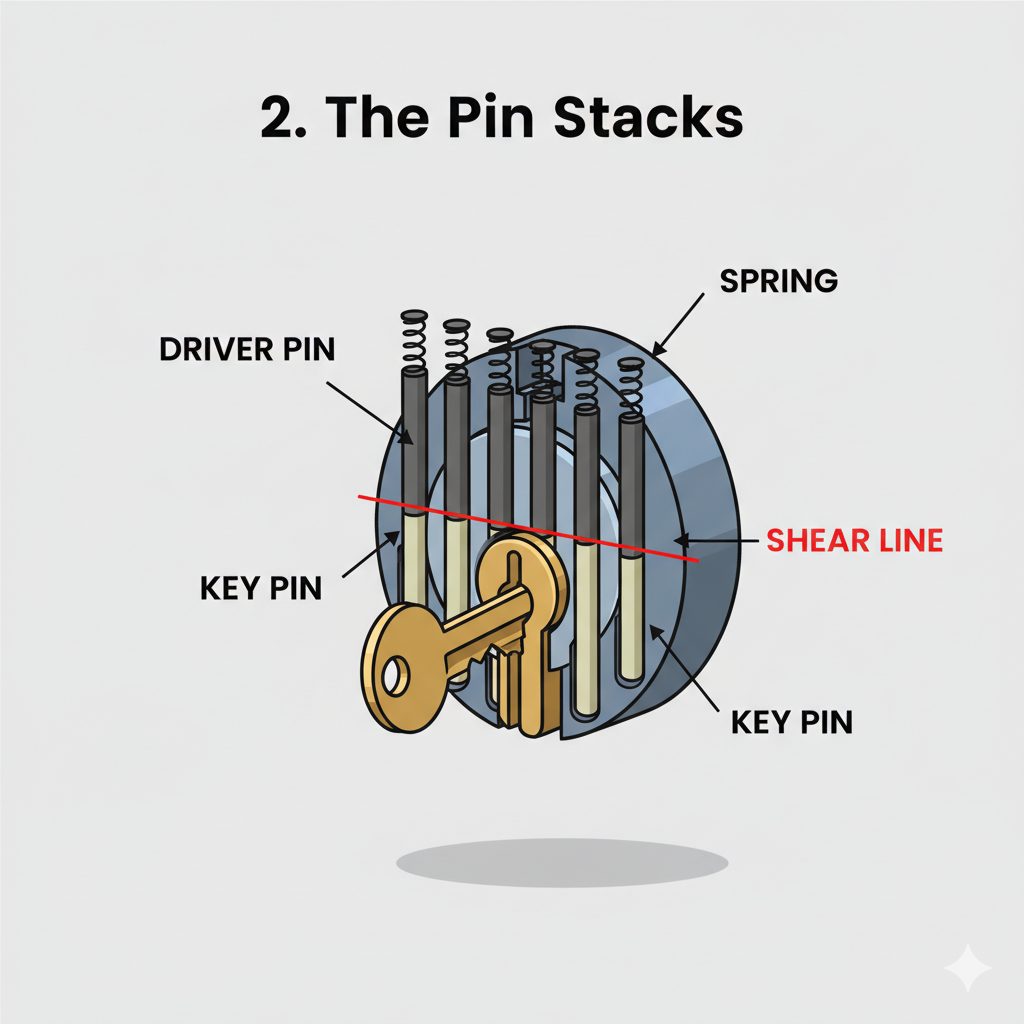
If security is critical, ask for certified high-security cylinders with pick and drill resistance and confirm the new keys are not easily duplicated. Keep in mind higher security cylinders cost more up front, but they often reduce insurance premiums or the need for future replacements.
Actions to take before the locksmith arrives and while they work.
While waiting, stay where you are visible, keep doors locked behind you, and do not let anyone into the building unless you can confirm identity and paperwork. When the locksmith arrives, compare the photo they sent to the person at the door and photograph the van's license plate and company logo before any work starts. Request a stepwise explanation and insist the technician tries non-destructive entry initially unless you specifically requested the lock be changed.
Obtain a written receipt that itemizes parts and labor before settling the bill, and use card payment if available for a traceable record. If cash is the only option, photograph the invoice and record the payment details on your phone as proof.
Choosing between cheapest and most reputable options.
Cheapest is not always best; a very low price with no credentials often hides poor technique or fraud. When time is critical and the company is verified, paying a premium for a guaranteed quick arrival can be reasonable. When replacing locks by plan, solicit several reputable quotes and weigh brand quality, warranty terms, and the provider's standing.
How and when to escalate a dispute with a locksmith.
When you suspect a scam, compile invoices, ID photos, vehicle images, and any recordings, and file locksmith Barcelona reports with both the police and consumer protection authorities. Provide the company and technician names, vehicle registration, phone number, and a clear timeline in your complaint to help investigators. Notify any relevant trade association as well, since they may have powers to discipline members or assist with recovery.
A short practical checklist to follow during a locksmith emergency.
Keep a short checklist on your phone that lists the questions to ask, documents to request, and red flags to exit the call early if needed. Sample items include requesting company name and address, asking for a technician photo, requiring an itemized estimate, and insisting on ID and a written invoice before payment. Save two reputable local locksmiths to your contacts so you can compare quotes quickly when something feels wrong.

Using simple verification steps, insisting on documentation, and keeping records will help you avoid the majority of locksmith scams in Barcelona. These measures take a few minutes but significantly reduce the chance of being overcharged, pressured into unnecessary work, or robbed of security. If you store the checklist and two trusted numbers now, you will be ready the moment an emergency happens and you will call with far more confidence.